Looking for the perfect meeting room? Explore key design tips and inspiration for a functional, productive space.

By Making Moves London
April 3, 2025
When designing your new office space, meeting rooms are an essential area that shouldn’t be overlooked. As one of the most trafficked spaces in an office, meeting rooms play a key role in making first impressions on clients and providing a productive environment for your team. Whether it’s hosting a client pitch, a brainstorming session, or a board meeting, the design of these spaces can greatly impact how people feel and work within them.
At Making Moves, we’ve helped countless businesses in London find and create their dream office spaces. With expertise spanning office searches, relocation consultancy, and fit-out project management, we’re here to guide you through the essentials of meeting room design. In this blog, we’ll cover what makes a great meeting room, explore different layouts and key design elements, and share expert tips to help you craft a space that works as hard as you do.

Meeting rooms are essential spaces in any office, but what makes one truly great? While the specifics often depend on your business needs, there are some universal principles that everyone can agree on. A good meeting room is practical, comfortable, and reflects your company’s identity.
Here are some of the most important features to consider:
Functionality: The space should support the type of meetings you’ll be holding—whether that’s brainstorming, presentations or virtual meetings.
Comfort: Comfortable seating, appropriate room temperature, and an uncluttered space can make all the difference. Attendees should feel at ease, whether they’re in a quick team huddle or a lengthy presentation.
Accessibility: The meeting room should be easy to locate and use. This means making sure that it’s wheelchair accessible, easy to navigate, and equipped for hybrid meetings. Features like clear signage, functional AV equipment, and seamless tech integration ensure everyone can participate.
Brand Personality: Your meeting room should reflect your company’s culture and values. Subtle branding elements like colours, artwork, or logos can make the space feel uniquely yours and leave a strong impression on clients and visitors.
When it comes to meeting rooms, most people picture them as simply big or small—but there’s much more to it than that. Meeting rooms can be designed in all kinds of layouts and styles, each with a specific purpose in mind.

In this section, we’ll break down some of the most common types of meeting rooms, what they’re best for, and how to choose the right setup for your needs.
Classic and professional, boardrooms are perfect for executive meetings and client presentations. Typically featuring a long table and seating for 10–20 people, this layout encourages formal discussions and decision-making.
Ideal for training sessions or workshops, classroom-style meeting rooms feature rows of tables facing a presenter. This setup maximises engagement while keeping attendees focused.
The U-shape layout involves arranging tables or desks in the shape of a ‘U’, with the open end facing a central presentation area or screen. This setup is ideal for workshops, training sessions, or discussions where participants need to see each other while also having a clear view of the presenter or materials being shared. It encourages collaboration and open dialogue while keeping the focus on the front of the room.
Theatre-style setups are designed for larger audiences, making them ideal for company-wide presentations or events. Rows of seating are arranged to maximise visibility and ensure the focus is on the speaker or screen.
The banquet-style meeting room features round tables with seating evenly spaced around them, similar to what you’d see at a wedding or dinner event. It’s great for informal gatherings, team-building sessions, or collaborative discussions, as it promotes group interaction in a relaxed setting.
Similar to banquet layouts, cabaret-style meeting rooms leave one side of the table open, allowing a clear view of a screen or speaker. This setup works well for team collaborations or casual presentations.
Now that you’re familiar with the different types of meeting room setups, it’s time to think about what will work best for your space. Consider the purpose of your meetings, how your team will interact, and the kind of impression you want to leave on visitors.
Now that you know the different types of meeting rooms and their uses, let’s explore the key elements to consider when bringing your design to life.
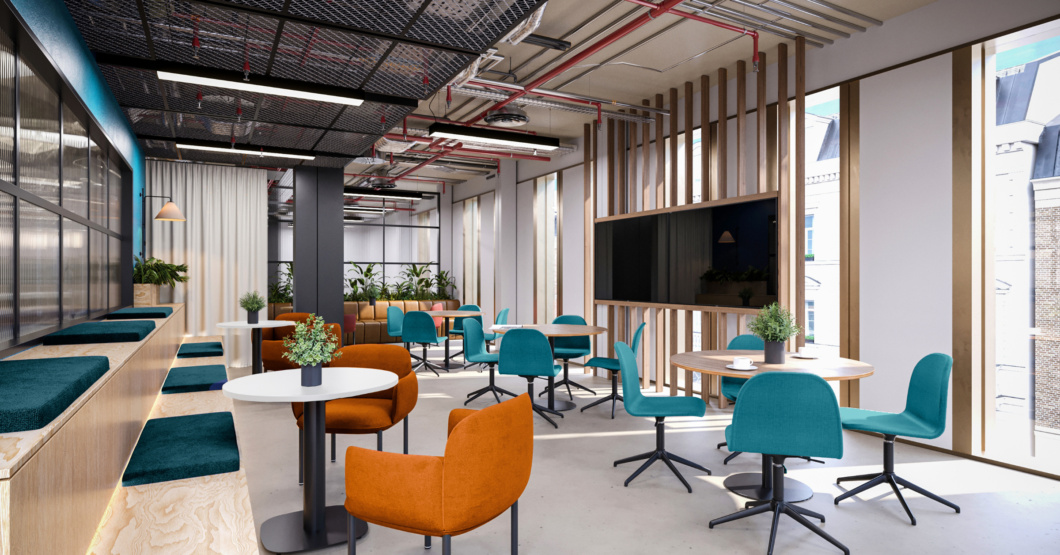
As we’ve just learned, the correct layout is fundamental to the functionality of a meeting room. Think about the size of your space and what it will primarily be used for, and plan your layout accordingly.
For example, a U-shape layout works well for workshops, while a theatre-style setup is better for large-scale presentations. If your room is multi-purpose, consider a flexible layout with movable furniture to adapt to different needs.
Expert tip: Use tape or furniture templates during planning to visualise how the layout will work before committing to it.
Comfortable, ergonomic furniture is a must, especially for longer meetings. Invest in high-quality chairs with adjustable features and tables that offer enough space without overwhelming the room.
For versatility, consider modular furniture that can be reconfigured depending on the type of meeting. Stackable chairs or foldable tables are perfect for rooms that double as event spaces or training areas.

Lighting plays a huge role in how people feel in a meeting room. Natural light is ideal for boosting mood and productivity, but it’s not always possible.
Dimmable LED lights are a great alternative, allowing you to adjust brightness for different purposes—bright for brainstorming and softer for presentations. Avoid harsh overhead lighting and incorporate floor or wall lights to add depth and warmth to the space.
Good acoustics ensure clear communication during meetings, especially in larger spaces or for virtual calls. Minimise echoes with carpeting, acoustic panels, or sound-absorbing ceiling tiles. If the room is near a noisy area, soundproofing can make a big difference.
Add soft furnishings like curtains or cushions for smaller spaces to improve sound quality without major alterations.

A well-equipped meeting room should have the right tech to support your team. This could include video conferencing systems, large displays for presentations, or interactive whiteboards for brainstorming sessions.
Don’t forget essentials like multiple power outlets, wireless charging stations, and good Wi-Fi coverage. Test your tech regularly to ensure it’s reliable, and consider investing in smart systems to streamline setup and troubleshooting.
The right facilities can make a meeting room far more practical and user-friendly. A well-placed coffee machine or refreshment station can keep everyone energised without unnecessary disruptions. Storage solutions, like coat hooks or a small cupboard for supplies, help keep the space organised and professional.
Having essentials like spare pens, notepads, or tissues readily available ensures meetings run smoothly, while charging points for laptops and devices make the space functional for modern work needs.
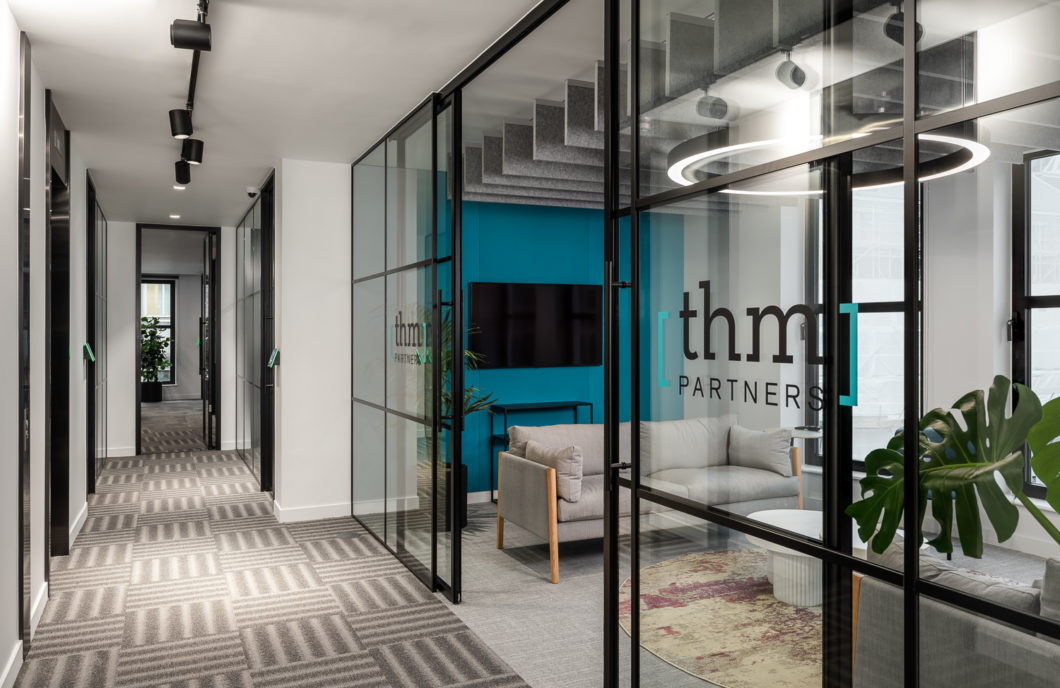
Your meeting room should reflect your company’s identity. Use your brand’s colours, artwork, or even a subtle logo to make the space uniquely yours. Décor can also enhance the room’s atmosphere—plants add a touch of life, while wall art can spark creativity or showcase your company values.
When designing a meeting room, every detail matters. From practical considerations like layout and furniture to tech and branding, these choices will shape how your meeting room functions and the impression it leaves.
While we’ve covered the key design elements for creating a functional meeting room, there are a few more details to consider to ensure your space is truly tailored to your business needs.
Drawing from our team’s years of experience helping businesses find and design the perfect meeting rooms, these extra touches can make a big difference in how your space works and feels. Let’s dive into these important considerations that will help you get the most out of your meeting rooms.

The size of your meeting room directly impacts its layout and design. Smaller rooms often require space-saving furniture, such as compact or foldable pieces, and smart storage solutions to keep the room tidy and functional.
For larger spaces, you have more flexibility to experiment with various layouts and seating arrangements, like boardroom or theatre-style setups, to suit your needs. Ideally, a mix of room sizes will allow you to cater to different meeting styles—whether it’s a small team session or a larger presentation.
While they’re often overlooked, ceilings play a crucial role in both the functionality and aesthetics of a meeting room. Acoustic treatments like panels or tiles can help reduce noise and improve focus, especially in larger or noisier spaces.
Decorative elements, such as exposed beams or unique ceiling features, can also add character and enhance the room’s atmosphere. Paying attention to the ceiling can elevate the overall design while improving sound quality and comfort in your meeting space.
Naming your meeting rooms might seem like an unnecessary step, but it can actually be a great way to add personality and create a sense of connection within your office. Room names can reflect your company’s values, local landmarks, or something fun that represents your brand.
It makes it easier to identify rooms and adds character to the space. Plus, unique room names can leave a lasting impression on clients and make your team feel more engaged. For example, AirBnB names their rooms after different cities, while Twitter (before it became X) used to name their meeting rooms after bird species. Small touches like these can have a big impact on your office culture and branding.
Modern meeting rooms combine style with function, creating spaces that are practical, aesthetically pleasing, and adaptable to the changing needs of businesses.
Here’s a closer look at some of the most popular trends in the world of meeting room design and how you can incorporate them into your space:

Clean lines and uncluttered spaces aren’t just about aesthetics—they create a sense of calm and focus, which is ideal for high-pressure meetings or brainstorming sessions.
Minimalist designs often use neutral colour palettes with occasional pops of colour, keeping the space professional yet engaging. Furniture with sleek designs and built-in storage can help reduce visual clutter.
With hybrid working on the rise, meeting rooms need to be adaptable. Multifunctional spaces with movable furniture, folding partitions, or modular seating allow you to reconfigure the room for different purposes—whether that’s a presentation, a workshop, or a team huddle. This flexibility can help businesses maximise the use of their office space.
Consider investing in stackable chairs, lightweight tables, and foldable room dividers to make transitions between setups quick and easy. Use storage solutions nearby to neatly stow away unused furniture.

Technology plays a crucial role in contemporary meeting room design. From integrated booking systems to smart displays and interactive whiteboards, these tools make meetings more efficient and engaging.
Voice-activated assistants and automated lighting or temperature controls can further streamline the meeting experience. Wireless charging stations are a simple yet effective way to eliminate cable clutter and keep the space looking tidy and modern.
Bringing elements of nature into the meeting room can improve mood and focus. This trend incorporates plants, natural materials like wood or stone, and large windows that let in natural light. Biophilic design doesn’t just look good, it has also been proven to boost well-being and productivity.
Add low-maintenance indoor plants like succulents or ferns, or choose natural wood finishes for furniture to subtly introduce this trend into your meeting room.
Many businesses are now prioritising sustainability in their meeting room designs. This might include using recycled materials, energy-efficient lighting, or second-hand furniture to reduce environmental impact. Sustainability doesn’t have to mean compromising on style—it can add a unique and thoughtful touch to your space.
Look for furniture made from reclaimed wood or upholstery using recycled fabrics. Install motion-sensor lighting to save energy when the room isn’t in use.
For even more sustainable office design ideas, check out our 16 Green Office Ideas blog.
Having helped hundreds of businesses find and design their ideal office spaces, we sat down with one of our office consultants to get their insights on meeting room design. Here’s what he had to say about creating spaces that support collaboration, privacy, and productivity.
“Every business has different needs when it comes to meeting room design, and there’s no one-size-fits-all solution. When designing your meeting spaces, think about how your team works—whether it’s focused, private discussions or group collaboration—and tailor your rooms accordingly. By aligning your meeting room design with your company’s culture and needs, you’ll create spaces that support productivity and help your team thrive.”
— Callum Lee, Property Advisor at Making Moves
Now you’ve heard from our experts, it’s time to ask your own—your team. After all, they’re the ones who will be using the meeting rooms most often, so getting their input is essential. Understanding what they need and prefer in a meeting space ensures that the design supports their work and enhances their productivity.
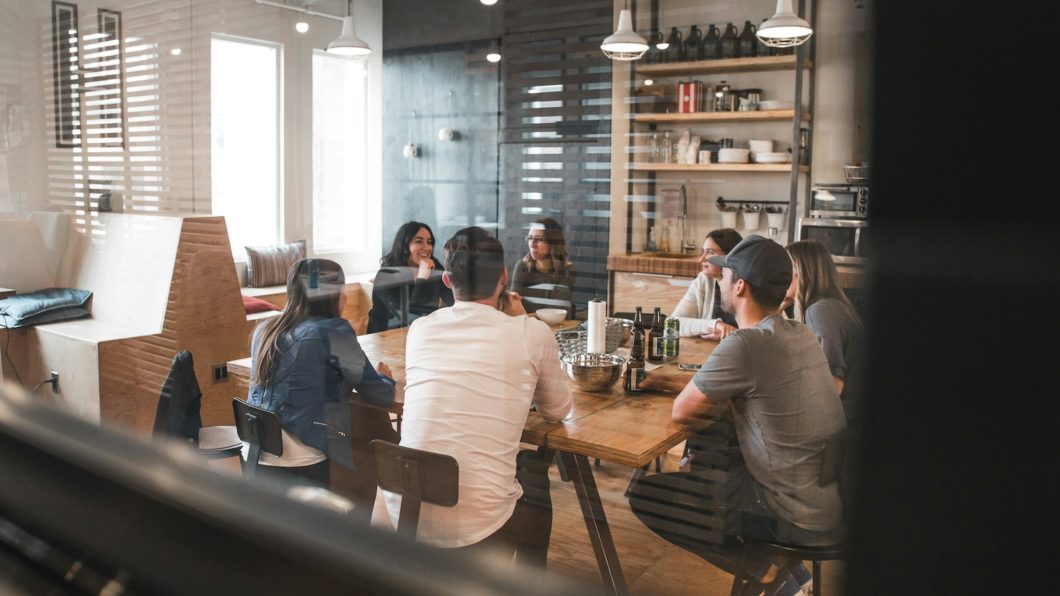
To gather valuable feedback, consider sending out surveys, holding focus groups, or even having informal one-on-one chats with team members. Ask questions like: What type of environment helps you focus? Do you need spaces for collaboration or more private areas for quiet work?
By involving your team in the design process, you create a space that’s tailored to their needs, which in turn boosts morale and engagement. When your team feels their input matters, it fosters a sense of ownership and contributes to a positive, inclusive workplace culture.
For more tips on involving your team during an office move, check out our 13 Questions to Ask Your Employees When You’re Moving Office blog.
Looking for some meeting room design inspiration? Here are a few standout examples of meeting spaces we’ve worked on to spark some creativity:

The adaptable design of this meeting room for Preston Turnball incorporates bi-folding walls, allowing for a versatile layout. The space can be easily reconfigured to accommodate everything from intimate board meetings to large seminars, offering both flexibility and functionality for various client events.
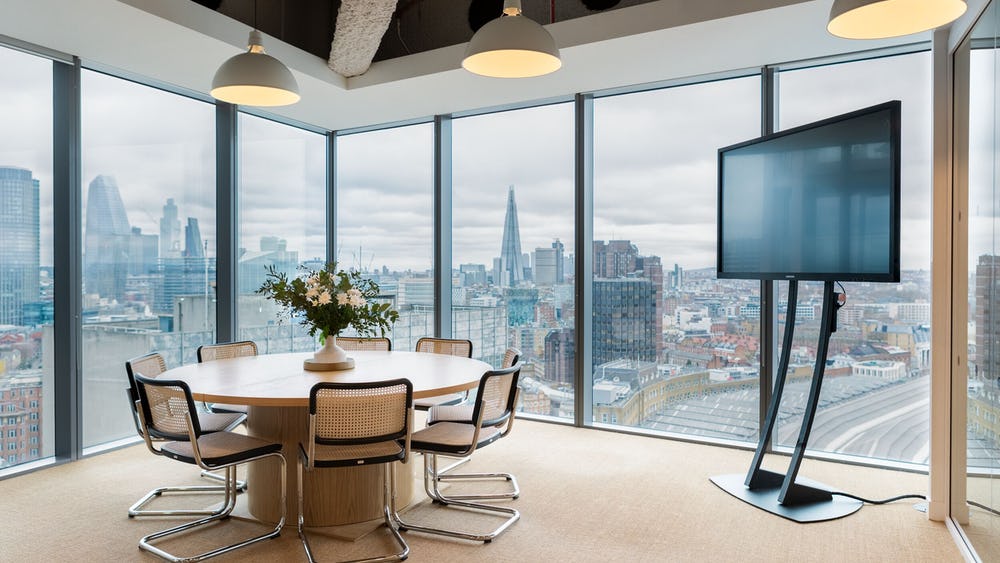
Maximising natural light and offering stunning city views, Getir’s meeting room design ensures a bright and inspiring space for collaboration. Ergonomic chairs are strategically placed around the table, ensuring comfort during both short and long meetings. This design prioritises functionality without sacrificing style, making it a perfect setting for productive conversations.

This meeting room for Carbon Clean incorporates sleek, glass partitioning and soft seating, offering both privacy and a modern aesthetic. The design ensures confidential discussions can take place without compromising on style or openness, while the partitioning provides a clear division between spaces.
Need help bringing your dream meeting space to life? Reach out today for tailored office design solutions for your business.
When HR experts HiBob outgrew their previous office, they turned to Making Moves to help them design a space that would support their rapid expansion and meet their international collaboration needs. The new office had to bring employees together and support both in-person and remote work, aligning with HiBob’s goals of flexibility, collaboration, and privacy.

We worked with HiBob to create a versatile, open-plan space featuring multiple breakout areas, high-spec meeting rooms, and dedicated wellbeing rooms. The meeting rooms were designed to support hybrid working and confidentiality, with soundproofing and Zoom rooms for international collaboration. To accommodate HiBob’s global team, the All Hands area was equipped with AV streaming equipment and tiered seating for company-wide meetings, ensuring seamless communication across offices.
Throughout the 12-week project, we worked with Whitepaper to deliver cost-effective solutions, helping HiBob stay within budget while meeting all of their goals.
For more inspiring examples of how we’ve helped businesses get more from their workspaces, visit our case study archive.
From creating impactful meeting rooms to designing spaces that inspire collaboration, the right office fit-out can make all the difference. At Making Moves, we specialise in guiding businesses through the entire office relocation process, ensuring every detail—from meeting rooms to breakout areas—aligns with your goals.
Contact us today to find out how we can help you with your next office move and create a space that works for you!